Film Is the Texture of Time: The 2026 Super 8mm Camera Guide
28 April 2026
 0
0

When you press the shutter and hear that faint, rhythmic "click," you’re doing more than just framing a shot—you’re capturing time itself. In 2026, while AI-generated video can simulate almost any aesthetic, the warmth, organic grain, and spontaneous light leaks of Super 8 remain the "soul" that digital technology simply cannot replicate.
Many ask me: In an era obsessed with efficiency, why spend hundreds on a cartridge that only offers three and a half minutes of footage, only to wait a week for the results?
The answer is simple. When you look through that tiny viewfinder, your reverence for every second of the shutter gives fleeting moments—a glance from a loved one at a wedding, or a purposeless stretch of a road trip—a heavy, tactile quality called "memory."
Beyond the Format: Unveiling Super 8
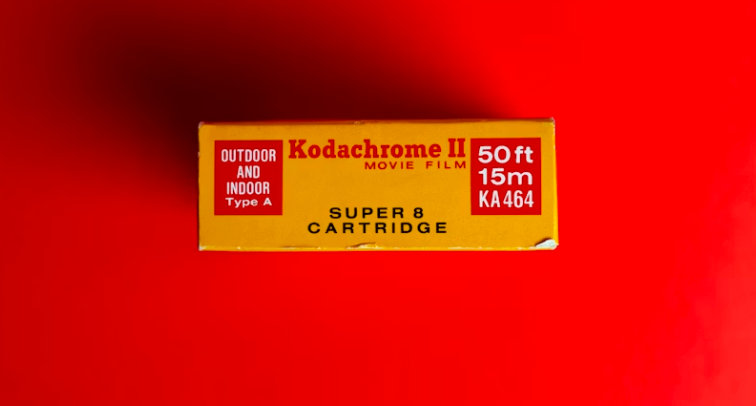
If you’re new here, the jargon might seem daunting. Put simply, Super 8 was Kodak’s "convenient" film format launched in the '60s. Its genius lies in the light-tight cartridge; no fumbling in the dark to load reels. Just pop it in like a cassette tape and start creating.
By 2026, Super 8 has evolved from a vintage home-movie relic into a staple of contemporary visual art. From luxury brand campaigns to Grammy-winning music videos, this shaky, grainy 4:3 frame has become the gold standard for "high-end" aesthetics.
The film market is more vibrant now than it was five years ago. Whether it's Kodak Vision3 50D for luminous skin tones under sunlight, 500T for cinematic shadow detail in low light, or the high-contrast black-and-white Tri-X that photographers obsess over, the production never stops.
Finding Your "Creative Partner" in the Vintage Market
Choosing a Super 8 camera is like starting a conversation across time. Most were built in the '70s, carrying the industrial soul of that era. Before diving into the specs, you need to look past the parameters and feel their "temperament."
Check the light meter, not just the shutter. Many old machines rely on discontinued mercury batteries. If you don't want to carry a light meter everywhere, look for models with modern circuitry that take AA batteries or support full manual exposure.
Also, "XL" (Existing Light) is a crucial keyword. If you love shooting in dim, indoor settings, prioritize "XL" models. They feature wider shutter angles and faster lenses, allowing you to capture stunning shadow textures without extra lighting.
2026 Top 5 Super 8 Recommendations & Tech Tips
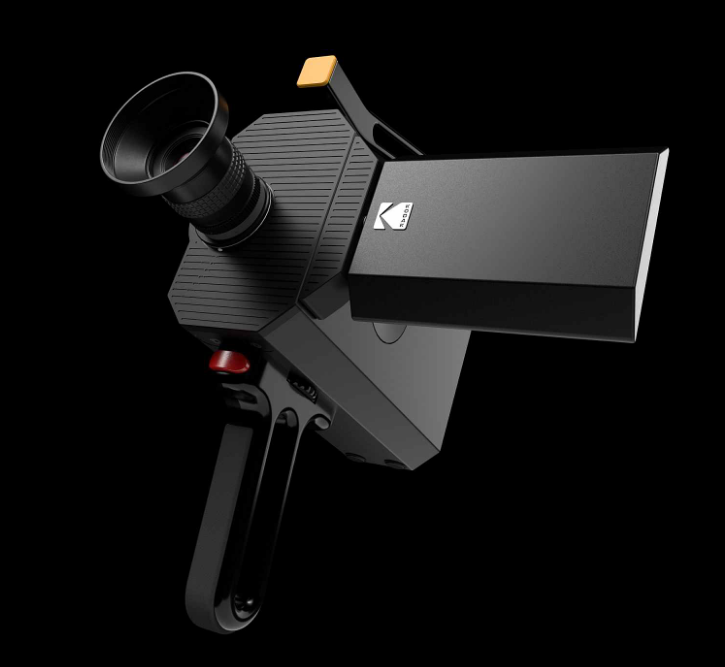
- Modern Soul: Kodak Super 8 Camera Kodak’s gift to the modern era. It removes the "shooting blind" anxiety of traditional film by adding a flip-out LCD screen. You get digital precision with analog soul. For creators with a healthy budget who want to avoid the risks of the second-hand market, this is the undisputed top choice.
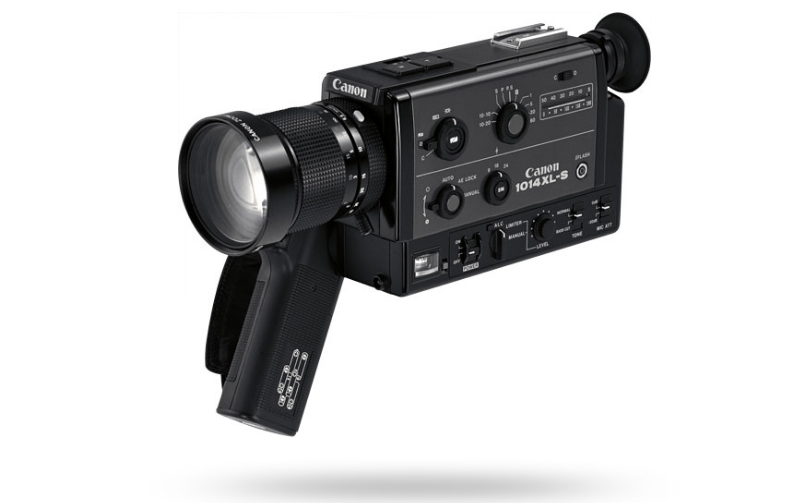
2. The Industry Standard: Canon 1014 XL-S If there’s a "holy grail" in Super 8, it’s the 1014 XL-S. Its lens quality rivals professional 16mm cameras. Its creamy bokeh and precise color rendition make it a "hard currency" in the 2026 vintage market.
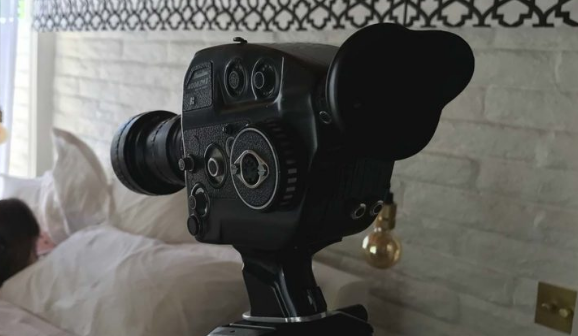
3. French Liberation: Beaulieu 4008 For the "hardcore" enthusiast. Its most charming feature is the interchangeable C-mount. You can mount a modern cinema lens onto this vintage body—a collision of eras that produces breathtaking visual energy.
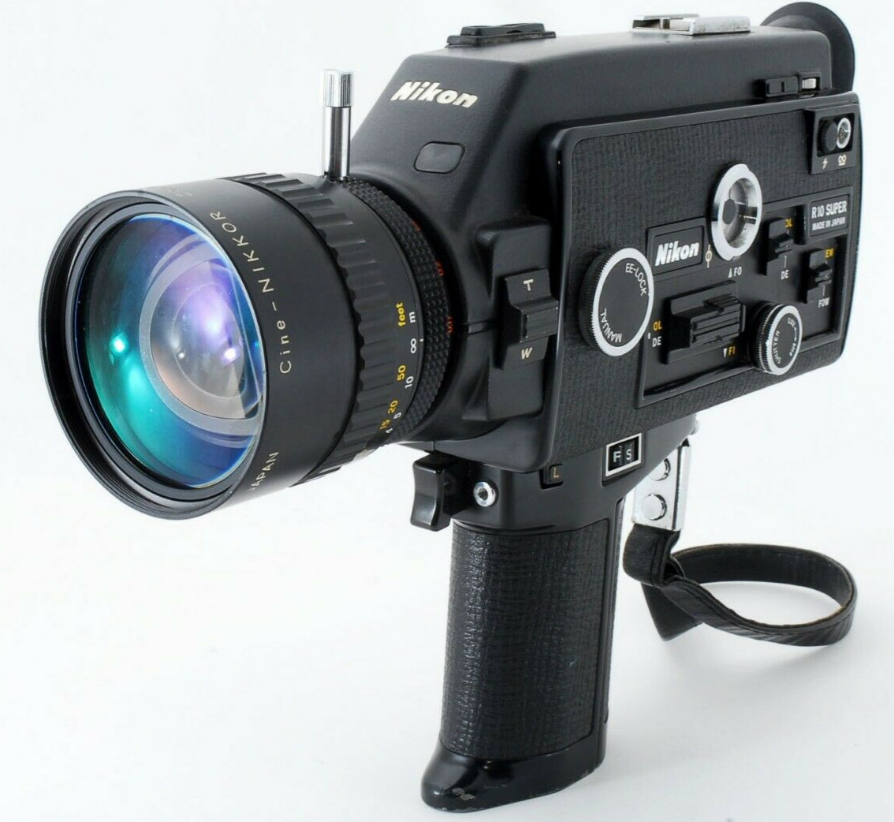
4. Precision Engineering: Nikon R10 Super Nikon builds tools that feel solid. The film transport on the R10 is exceptionally stable, eliminating distracting jitter. Its macro capabilities are best-in-class, perfect for poetic close-ups.
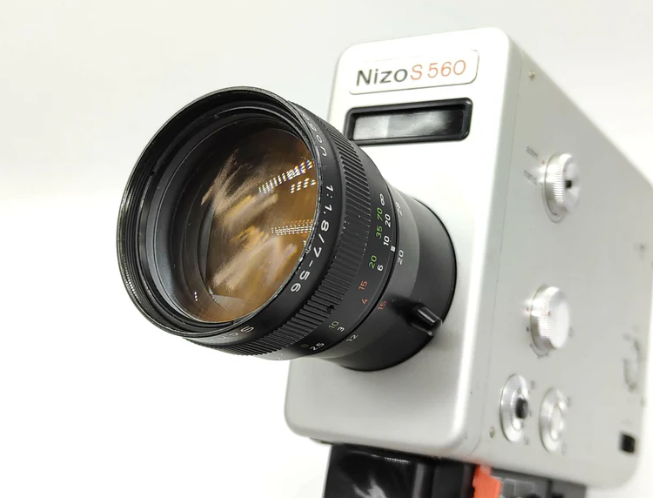
5. Minimalist Masterpiece: Nizo S560 / S800 Designed by Braun in Germany, the Nizo series remains a triumph of industrial design. Sleek enough to fit in a coat pocket, it’s the perfect travel companion that doubles as a stylish accessory.
Troubleshooting & Post-Production
The Light Leak Trap: Old foam seals degrade into a sticky mess after 50 years. Get them replaced professionally, or red light will devour your highlights.
Battery Corrosion: Check the compartment for green oxidation; it's a sign of acid damage to the PCB.
6.5K Over-scan: In 2026, I recommend scanning with "Over-scan." Keeping the sprockets visible is a badge of authenticity for social media and provides immense latitude for post-production.
Why Filters are Essential for Super 8
Color Correction (Built-in 85 Filter): Most Super 8 cameras have an internal 85 (orange) filter. Since many stocks (like 500T) are Tungsten-balanced, you'll need this filter to avoid a blue tint when shooting in daylight.
Exposure Control (ND Filters): Since shutter speeds are often fixed (roughly 1/50s at 24fps), high-speed film like 500T will overexpose in bright sun even at f/22. A high-quality ND filter is a must.
Pro Tip: If your lens has a rare thread size, use a Step-up Ring to standardize your kit to a common size like 77mm, allowing you to share filters with your digital setup.
Which style would you prefer? Or would you like me to elaborate further on the terminology for a specific piece of equipment (such as a professional background on XL or C-mount)?





 Your account requires approval before you can login.