Due to the inherent characteristics of its subject matter, wildlife photography has always been considered one of the more demanding genres of photography. Unlike urban, portrait, or still-life photography, wildlife photography takes place in uncontrollable natural environments and involves subjects whose behavior is highly unpredictable. Animals do not cooperate with the photographer, nor do they repeat actions on demand. Lighting conditions are often complex and constantly changing, and shooting distances are usually long. Together, these factors place higher demands on equipment performance, portability, and overall preparation.
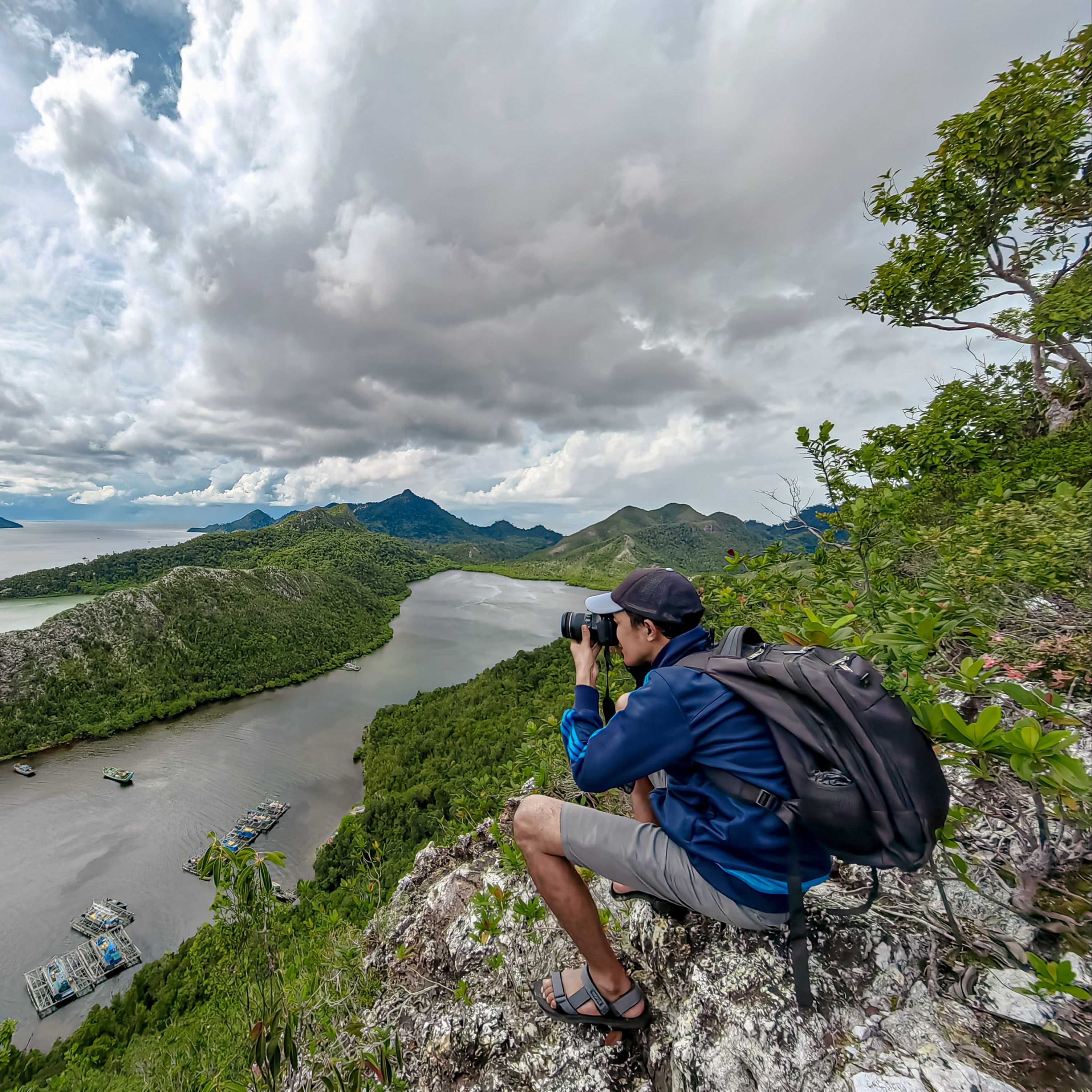
In real-world practice, cameras and lenses represent only part of the system. Long telephoto lenses are large and heavy, and spare batteries, memory cards, protective gear, and outdoor equipment are equally essential. Without a backpack that provides sufficient protection and carrying capacity, equipment safety, shooting efficiency, and physical comfort can all be compromised. For this reason, before seriously engaging in wildlife photography, it is important to understand it from a system-level perspective rather than focusing solely on individual specifications.
It is also essential to note that wildlife photography follows a principle of minimal disturbance. Baiting animals, harming wildlife, or damaging natural habitats is strictly unacceptable.
What Is Wildlife Photography
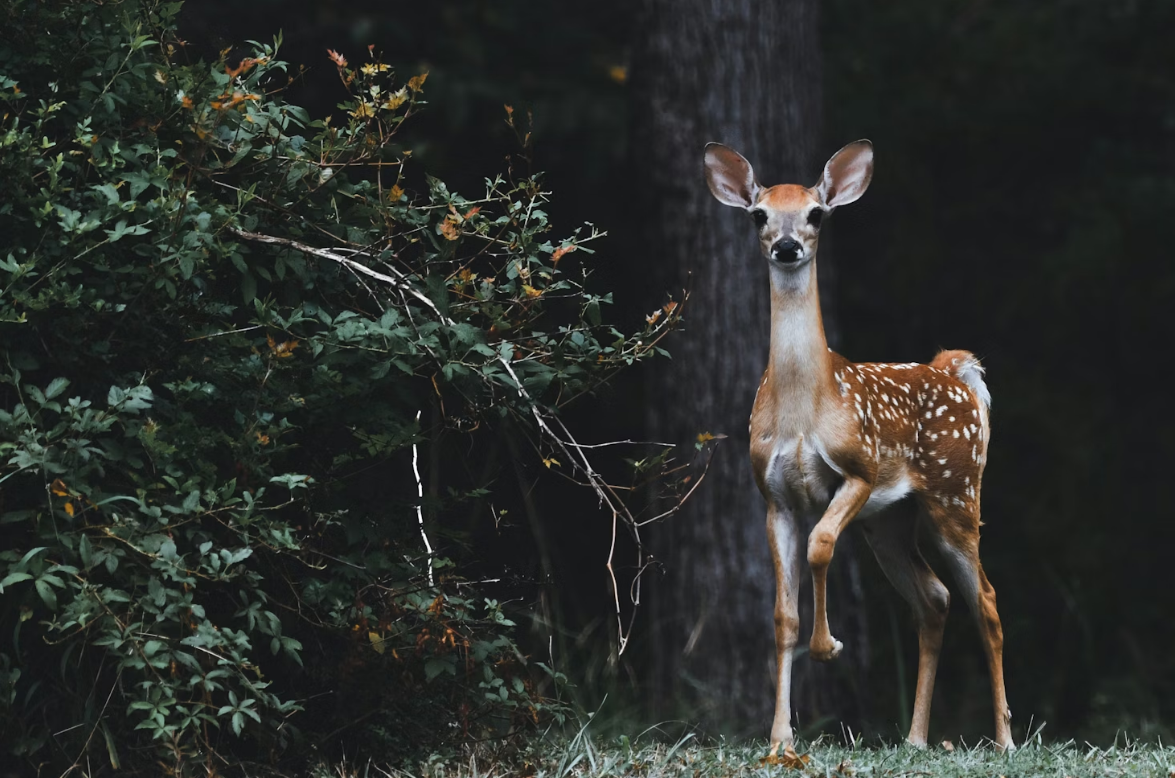
Wildlife photography refers to the practice of photographing wild animals in their natural environments, without human control or intervention. This genre emphasizes authenticity and natural behavior. Subjects include terrestrial mammals, birds, reptiles, insects, and aquatic species, while shooting locations range from forests and grasslands to wetlands, plateaus, and coastal areas.
Photographers are expected to respect the natural rhythms of animal behavior and rely on observation, patience, and judgment to capture moments of ecological significance. The resulting images often depict behaviors such as hunting, foraging, breeding, migration, or social interaction, rather than focusing solely on visual form or aesthetics.
Wildlife photography overlaps strongly with ecology and natural observation. Understanding animal habits, habitats, and seasonal changes has a direct impact on shooting success. Many outstanding wildlife photographs are the result of long-term observation and repeated visits to the same locations.
Maintaining a safe distance, avoiding habitat destruction, and refraining from guiding or interfering with animal behavior form the basic consensus in this field. Only images created with respect for nature can retain lasting value.
What Kind of Camera Is Good for Wildlife Photography
The key camera requirements for wildlife photography center on reliability, autofocus performance, and high-speed continuous shooting. Resolution matters, yet in practical shooting situations, autofocus accuracy and response speed often play a more decisive role.
Autofocus capability is critical. Wildlife movement is difficult to predict, especially with birds in flight or fast-running animals. Cameras with stable continuous autofocus and effective subject-tracking logic can significantly increase the keeper rate.
Continuous shooting performance is equally important. Many decisive moments occur within fractions of a second. High frame rates allow photographers to capture complete action sequences and select the most compelling frames afterward. This is particularly important for scenes involving hunting, takeoff, or group behavior.
Low-light performance also deserves attention. Wildlife activity peaks frequently occur at dawn and dusk, when light levels are limited and angles are low. Cameras with strong high-ISO image quality help maintain adequate shutter speeds without excessive image degradation.
Durability becomes essential during extended outdoor use. Wildlife environments may involve rain, dust, low temperatures, or high humidity. Cameras with robust weather sealing and stable body construction offer greater reliability during multi-day shoots.
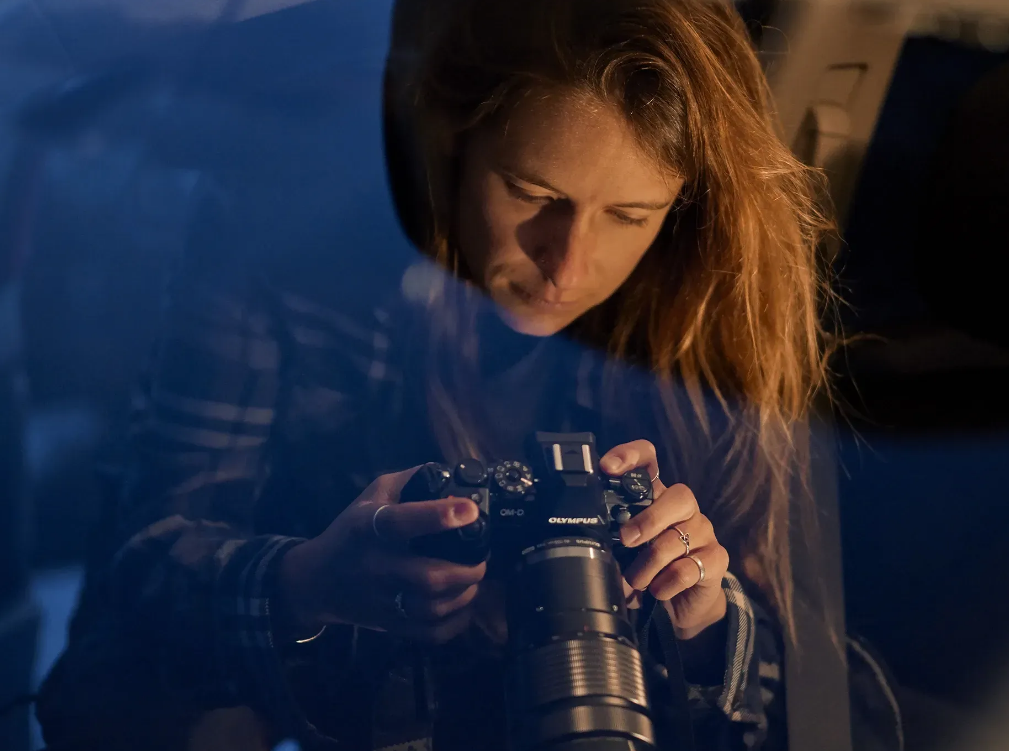
Major camera manufacturers offer models designed for this purpose. Examples include Nikon’s Z9 series, Canon’s R1 series, and OM SYSTEM’s OM-1 series, all of which combine high-speed shooting, weather resistance, and in-body stabilization, making them well suited to wildlife photography.
What Kind of Lens Is Needed for Wildlife Photography
Lenses occupy a central role in any wildlife photography system. Long shooting distances and limited framing flexibility make focal length the primary consideration.
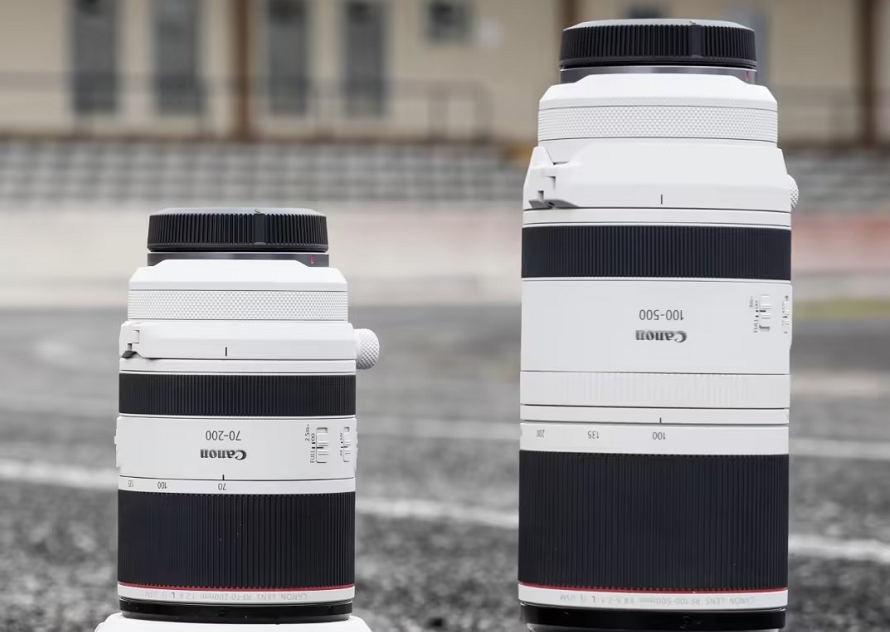
Telephoto lenses form the foundation of wildlife photography. Longer focal lengths allow sufficient subject magnification while maintaining a safe distance, which benefits both animal welfare and compositional control. This advantage becomes especially clear when photographing birds or highly alert species.
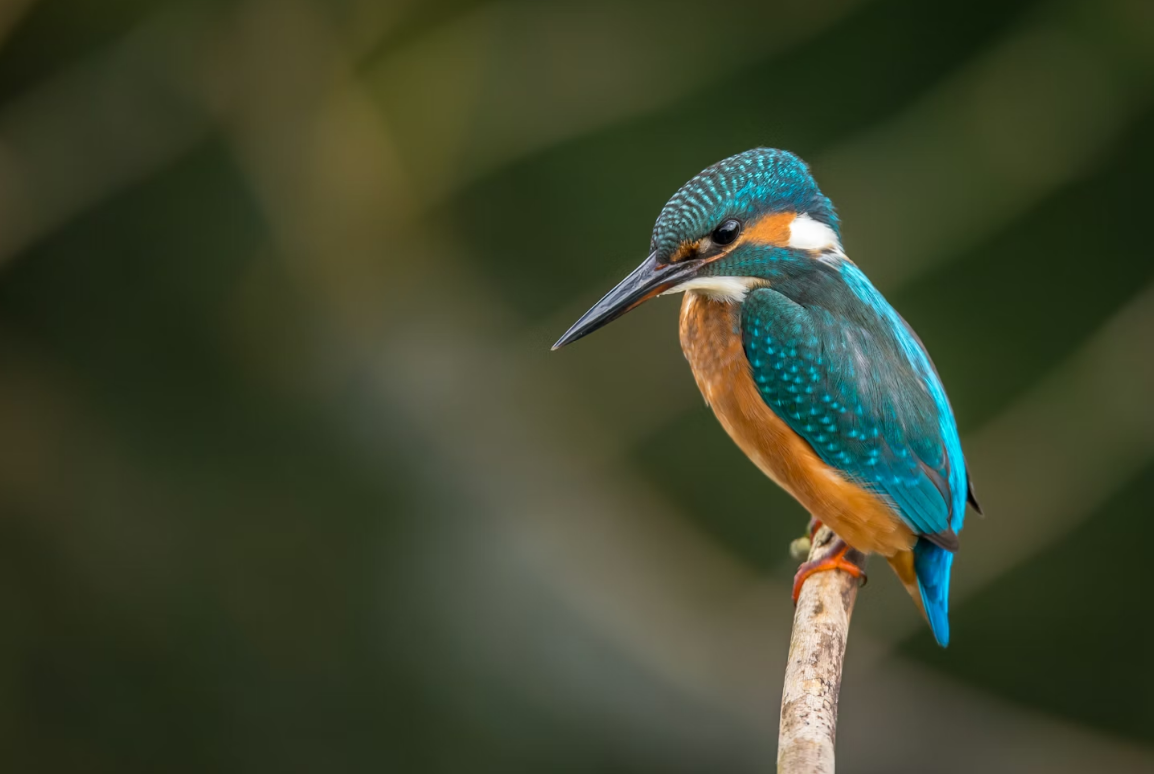
For wildlife photography, a telephoto lens with image stabilization is essential. A focal length of at least 200 mm is generally required, while bird photography typically demands 300 mm or longer.
Large-aperture lenses provide multiple practical benefits. Greater light-gathering capability supports faster shutter speeds in low-light conditions, while shallow depth of field helps separate the subject from complex backgrounds and draw attention to the animal.
Autofocus speed directly affects usability. Wildlife subjects move frequently, and the responsiveness and accuracy of a lens’s focusing system determine how effectively it can work in coordination with the camera’s autofocus.
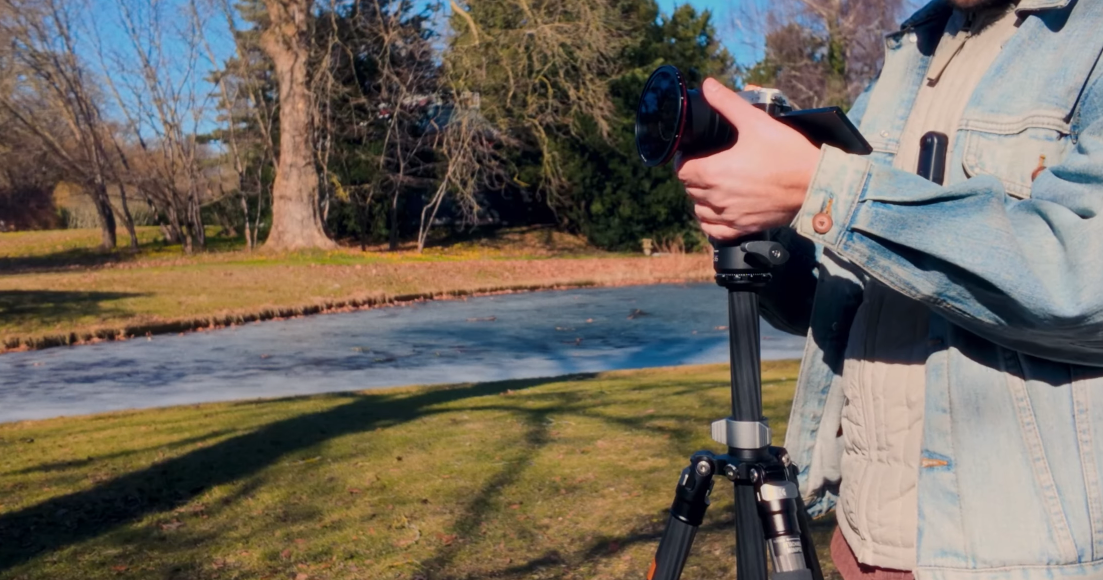
Image stabilization has real-world value for handheld shooting. Carrying a tripod at all times is often impractical, and lenses with effective stabilization offer greater flexibility in challenging terrain.
Structural strength also matters. Wildlife lenses are frequently exposed to constant movement, temperature changes, and external impacts. Solid mechanical design helps ensure long-term reliability and consistent performance.
How to Practice Wildlife Photography
The workflow of wildlife photography begins well before arriving on location. Preparation and research often matter more than on-site operation.
Understanding the target species is fundamental. This includes activity patterns, habitats, alert distances, and common behaviors. Such knowledge helps photographers choose suitable shooting times and positions, increasing overall efficiency.
Field shooting emphasizes observation and patience. Many successful images result from extended waiting followed by brief decisive moments. Emotional stability and sensitivity to environmental changes support the capture of genuine natural behavior rather than accidental scenes.
Technical settings should remain flexible. Fast-moving animals require higher shutter speeds to freeze motion, while stationary or slow-moving subjects allow adjustments that prioritize image quality. Continuous autofocus modes and high-speed burst shooting prove valuable in most situations.
Because animal behavior is inherently unpredictable, continuous shooting is effectively mandatory. It often takes long bursts to select a few satisfactory frames. High shutter speeds during bursts require elevated ISO settings, which reduces the photographer’s control over natural light. Under these conditions, slight underexposure is generally preferable to overexposure, as overexposed highlights lose more detail in post-processing. Mild underexposure can be corrected more effectively through exposure compensation and brightness adjustments.
Why Wildlife Photography Requires a High-Quality Backpack
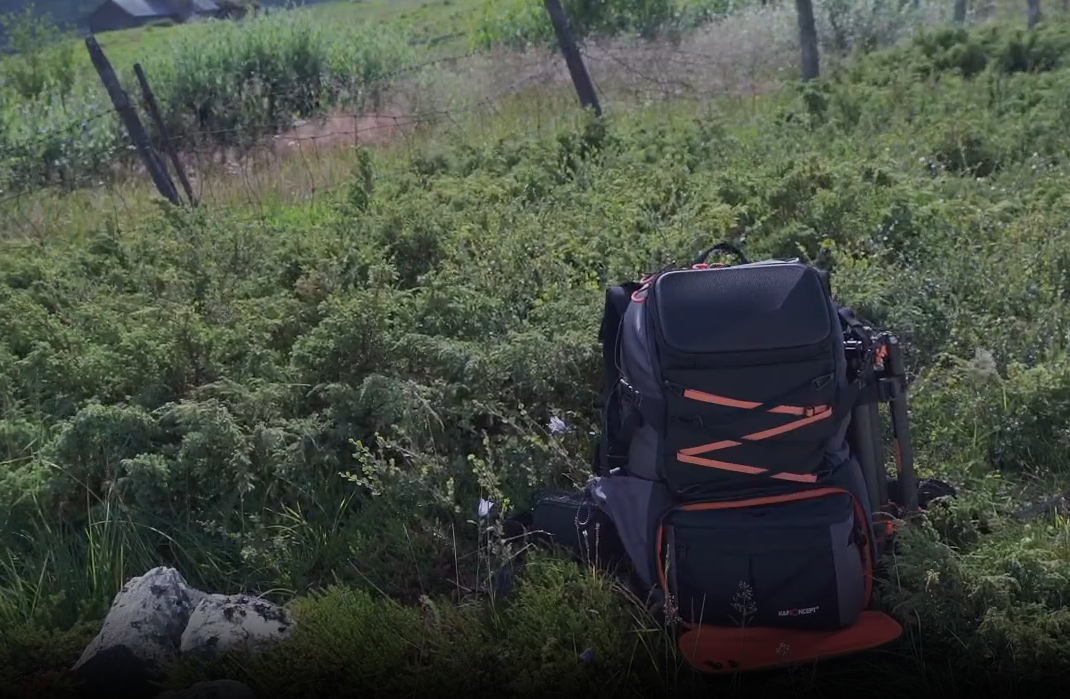
In wildlife photography, a backpack functions as more than a storage solution. It serves as an integral part of the entire shooting system.
Protection comes first. Telephoto lenses and camera bodies represent significant investment, and outdoor travel inevitably involves impacts, vibrations, and changing weather. A backpack with proper padding and protective materials reduces the risk of equipment damage.
Load distribution and stability are equally important. Wildlife gear is heavy, and a well-designed carrying system distributes weight more evenly, reducing strain on the shoulders and lower back. This allows photographers to maintain physical endurance and stability during long hikes.
Access efficiency directly influences shooting success. Animal behavior changes quickly, and a backpack that allows rapid access to equipment minimizes operational delays and improves reaction speed.
Capacity and expandability also matter. Outdoor shoots often require water, insulation layers, rain gear, and personal items. A backpack that accommodates these necessities without compromising equipment safety significantly improves the overall experience.
Over the long term, a well-designed and durable backpack extends equipment lifespan while enhancing safety and focus during fieldwork.
Conclusion
Wildlife photography is a highly system-oriented photographic discipline. It relies on camera and lens performance, yet it is equally grounded in an understanding of natural environments, respect for animal behavior, and thorough preparation of one’s own capabilities.
Selecting appropriate cameras and lenses provides technical assurance. Applying sound shooting methods allows that equipment to perform at its full potential. Equipping a backpack that offers protection, stability, and practical usability supports the entire process from start to finish.











 Your account requires approval before you can login.