It’s Not the Camera It’s the Light:How Illumination Defines the Quality of Visual Data in Science
24 March 2026
 19
19

By Helvy Giovanny Sierra Vargas, scientific photographer and lecturer in scientific imaging, Universidad del Rosario (Colombia)
Instagram: @helvysierravargas
Photography, etymologically understood as “writing with light,” comes from the Greek phōs (light) and graphḗ (record). However, within the context of scientific imaging, this definition can be refined: rather than writing, it is about recording through light. This distinction is not trivial, as it positions illumination not as an aesthetic resource, but as a determining variable in the construction of visual data.
In photographic and audiovisual practice, lighting is often approached intuitively. While intuition has undeniable creative value, it is insufficient in scientific contexts. The construction of knowledge requires clear procedures, where variables such as light quality, intensity, direction, and color temperature are understood and controlled—not merely perceived.
A procedural understanding of light, both in fieldwork and laboratory settings, not only improves image quality but also ensures reproducibility. This involves recognizing the differences between light sources, such as continuous lighting and flash (strobe), and understanding how each affects the way information is recorded.
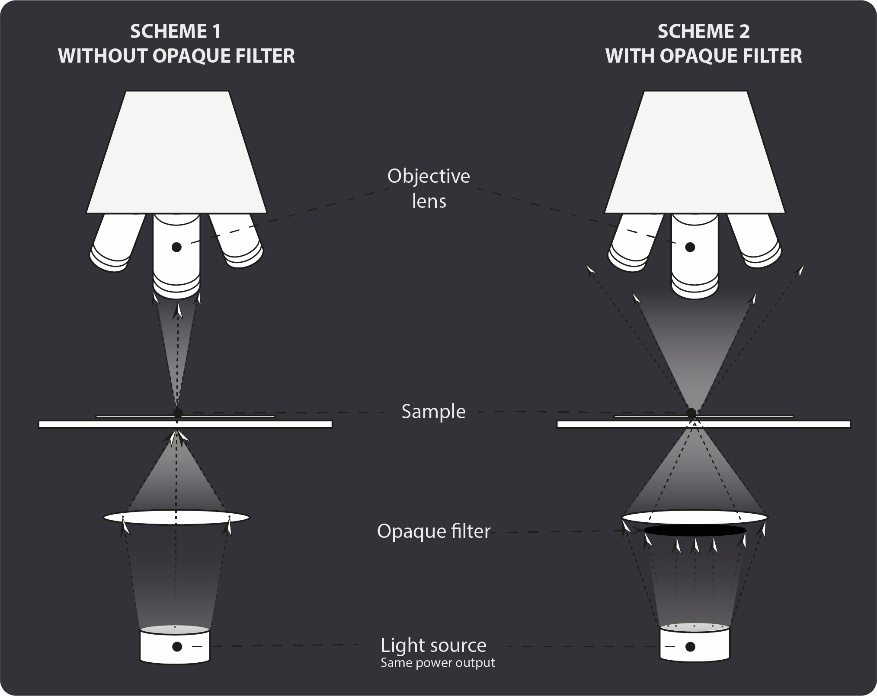
In systems such as stereomicroscopes or microscopes, illumination is typically directed from the light source to the sample and then to the optical system. While this configuration provides adequate visibility, it limits control over the information being recorded (Scheme 1). Techniques such as dark-field illumination (Scheme 2) modify this interaction by enhancing structures through light scattering, yet they still rely on a single direction of illumination. This aspect is critical: in photometry, the direction of light is one of its fundamental properties, along with intensity, quality, and color temperature.
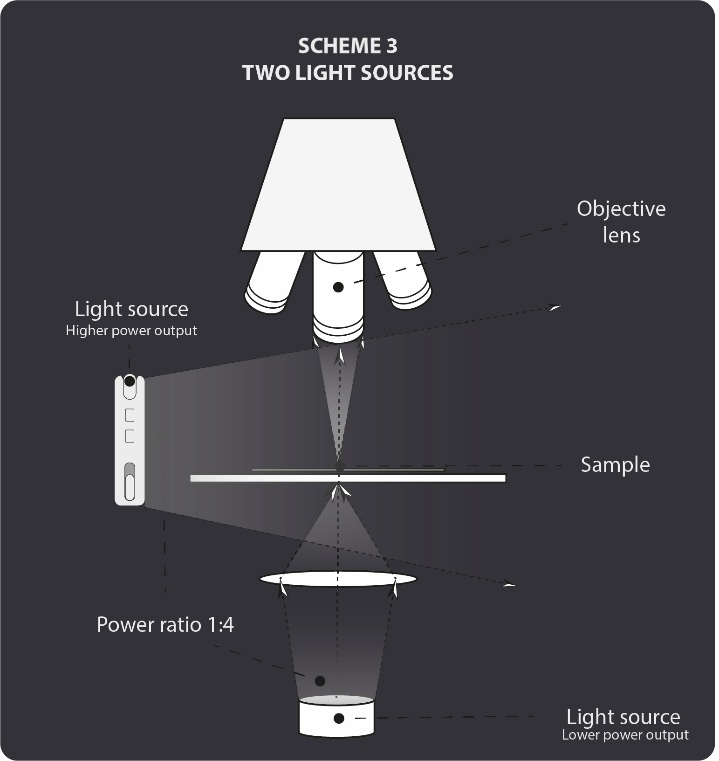
Introducing a second light source provides greater control over the scene, allowing the use of lighting ratios—defined as the relative intensity between two light sources (Scheme 3). This expands the possibilities in photomicrography, not only by replicating effects such as dark-field imaging, but by enabling new ways to highlight structures through controlled manipulation of light direction, intensity, and color temperature.
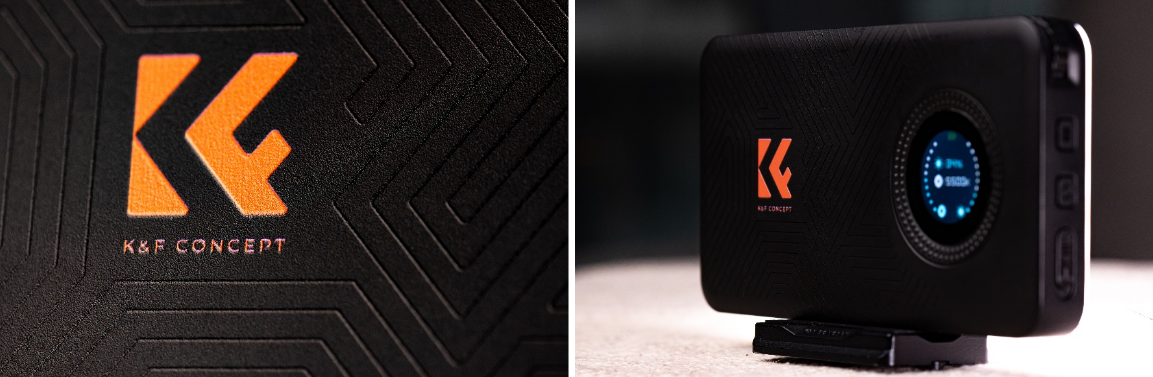
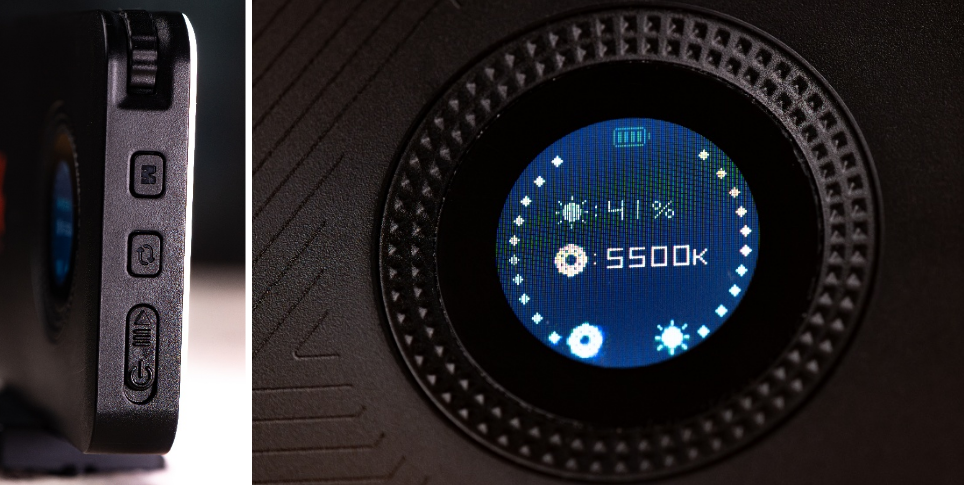
In a recent project involving aquatic microorganisms, this lighting approach made it possible to achieve higher contrast and clearly define structural details within the same specimen. The primary light source used was the K&F Concept 12W RGB Pocket Video Light, whose portability and output proved well suited for laboratory conditions. Beyond the equipment itself, the results demonstrate how controlling illumination directly impacts the quality of the recorded visual data.
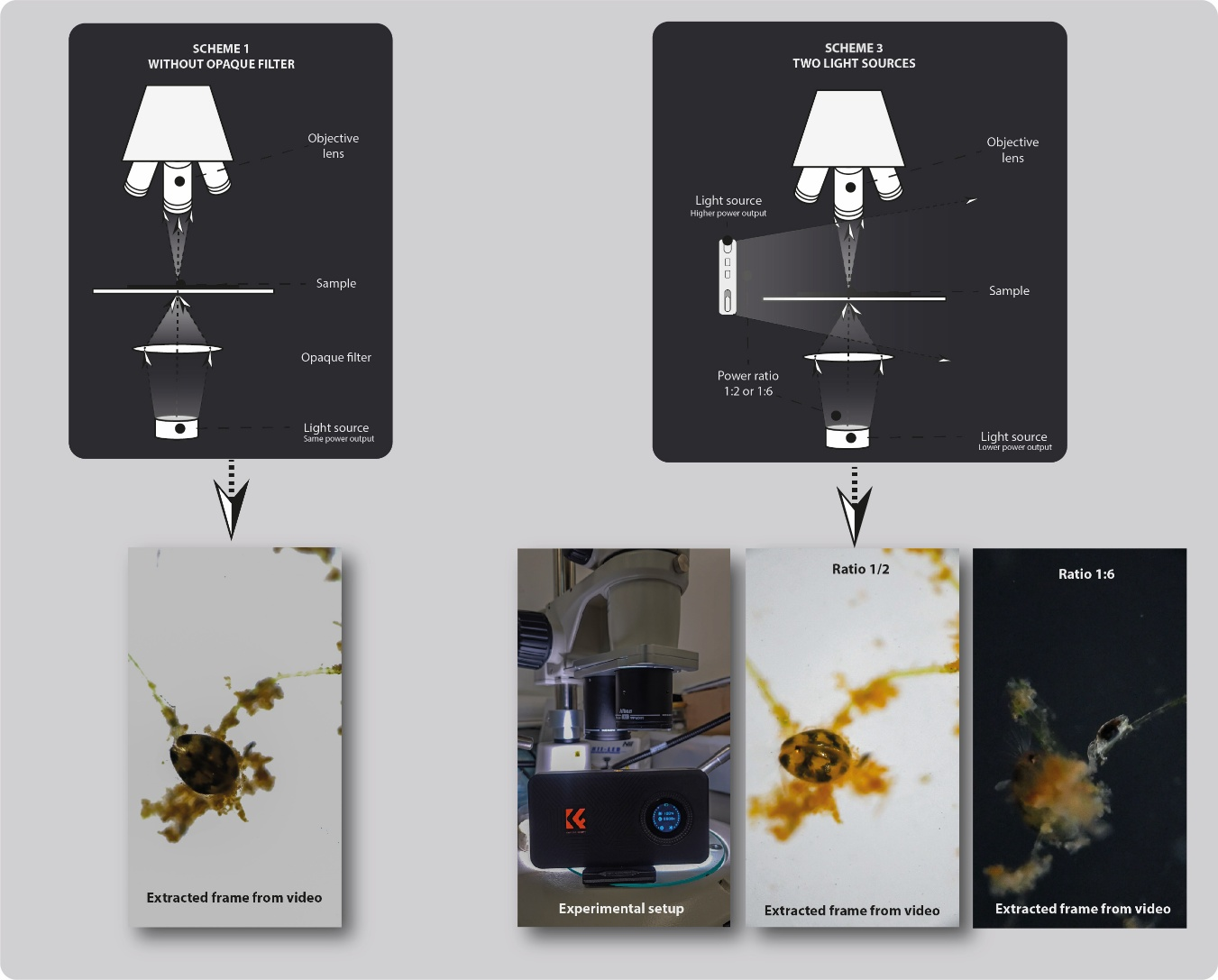
In this case, continuous light was essential for video capture, from which the presented frames were extracted. For still photography, flash lighting typically provides better results in terms of detail and exposure control. However, beyond the technical choice, the central point remains: the quality of scientific images does not depend solely on the equipment, but on how light is controlled as a variable of recording.


ALL COMMENT 15



Definitivamente la luz es lo más importante
2026-03-31 15:49:49


Helvy Giovanny Sierra Vargas EstebanV
Totalmente, es una herramienta fundamental
2026-04-10 04:25:40

This is a different angle for the use of lights and percentages that I was not expecting but gives me an insite into another way to think of and use light and lights.
2026-03-28 03:19:51



 Your account requires approval before you can login.