How to Protect the Night Sky
Friday 19 December 2025
 99
99
 Reproduction without the author's authorization is prohibited


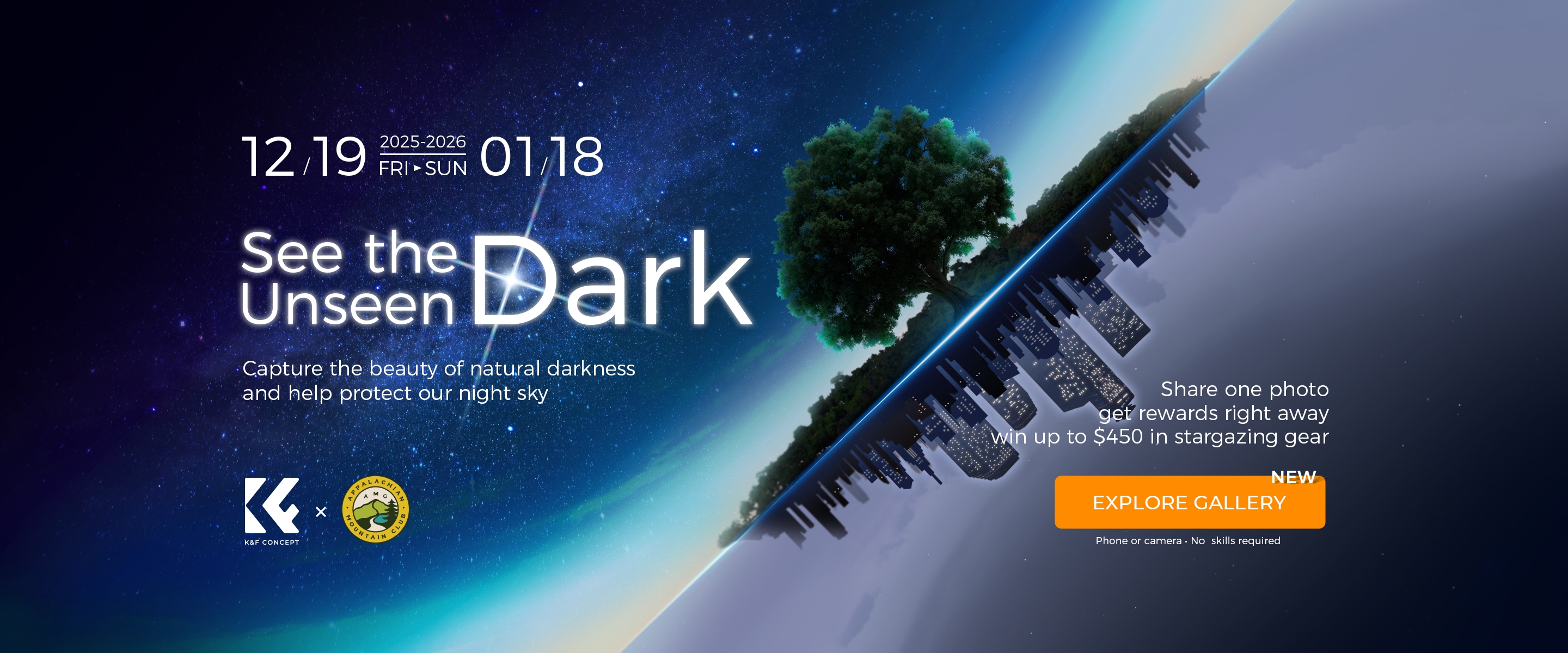
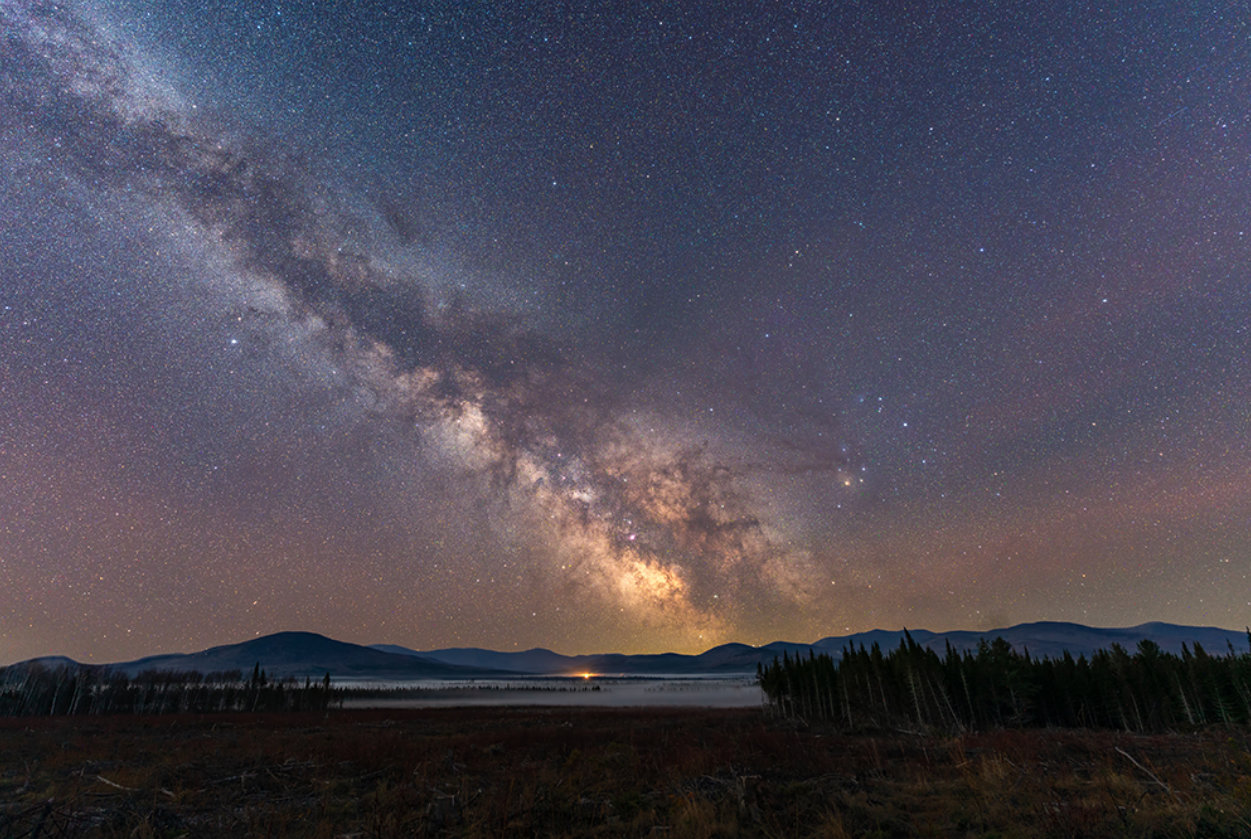
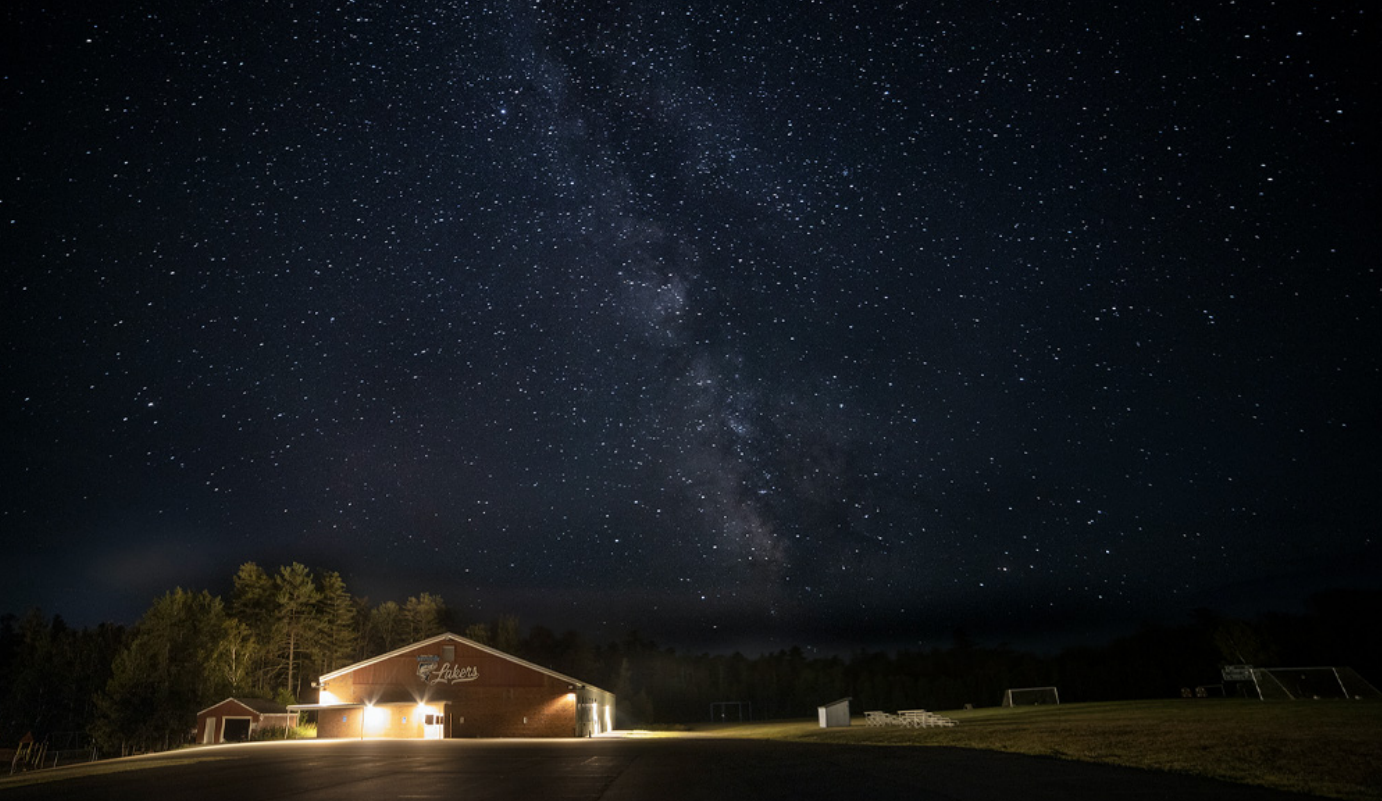
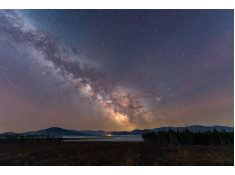
The night sky in AMC’s Maine Woods International Dark Sky Park. Photo by Jamie Malcolm Brown.
When you look at the sky at night, what do you see? Until a few generations ago, people everywhere saw the same thing. A sky filled with stars, planets, and galaxies. Today, if you’re like 80% of the world’s population, and 99% of Americans and Europeans, there are few visible stars, and little in the way of true darkness. That matters more than you may realize, for your health and the health of the planet.
Fixing the problem won’t be easy, but it’s achievable in a short timeframe. International Dark Sky Places, areas almost entirely free of light pollution like the AMC Maine Woods International Dark Sky Park, are setting the example for how we get there.
What is Light Pollution?
The reason for our vanishing night skies is man-made light pollution.
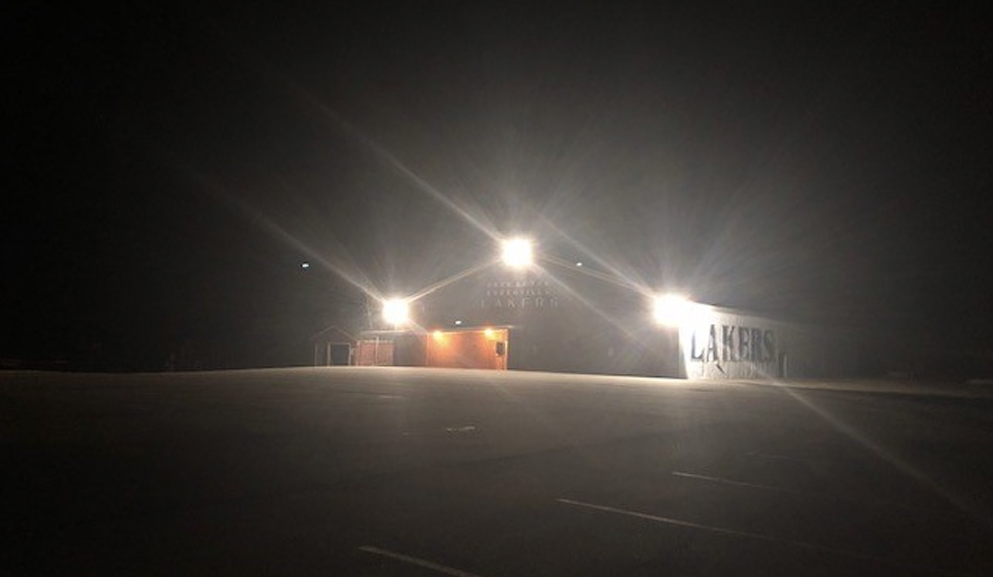
Light pollution is when artificial light brightens the night sky. Light pollution can be caused by both exterior and interior light, including streetlights, billboards, sports stadiums, and bright interior lights.
This kind of pollution isn’t an unavoidable consequence of urban living. Many of the lights we use are designed inefficiently. They either shine too brightly or leak into spaces that they aren’t intended to illuminate. Reducing glare can be as simple as turning a light off or away from the sky.
Artificial light may seem like a minor problem compared to other man-made pollutants, like the greenhouse gas emissions that contribute to climate change. However, light pollution is a symptom of a larger problem. And its negative consequences go beyond what meets the eye.
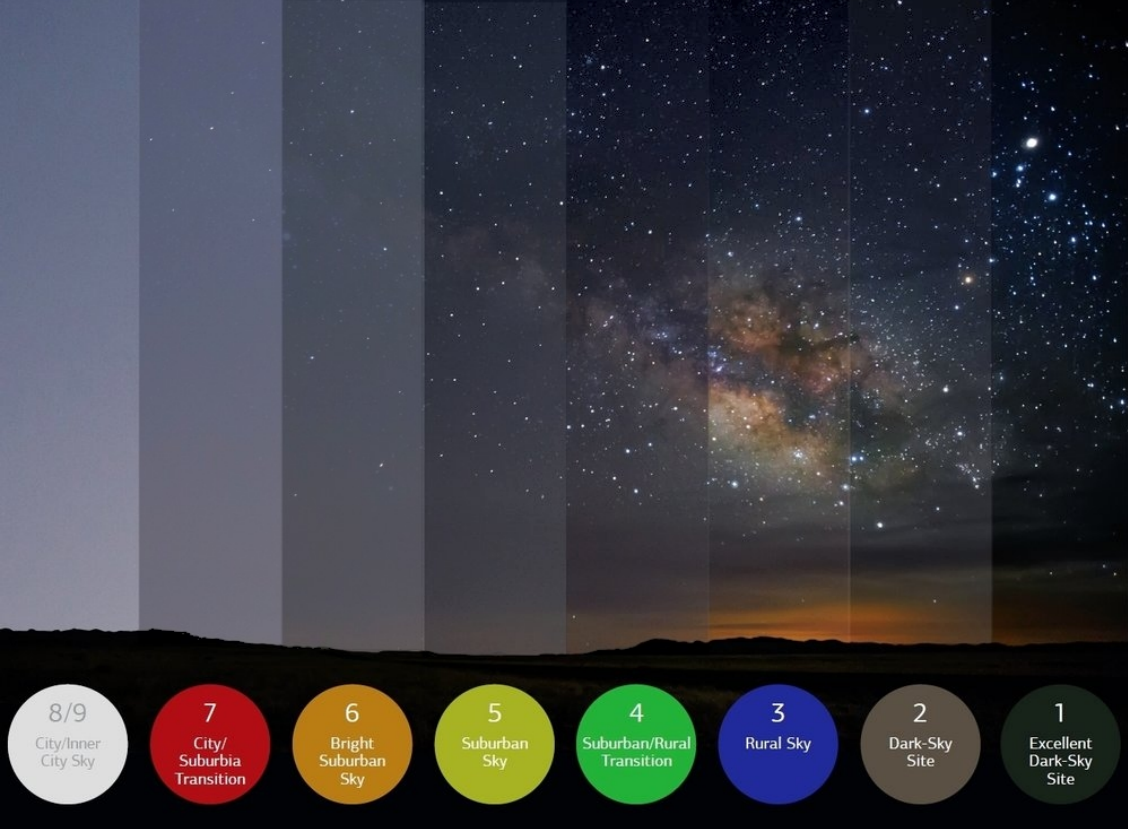
The Bortle Scale is a way of measuring light pollution. Unfortunately, most people around the world have limited night sky visibility.
For Humans
Light pollution is associated with all kinds of health risks for people, from poor sleep to cancer. Artificial light disrupts the body’s ability to produce its own melatonin, the chemical that makes us sleepy. Melatonin is essential to the healthy function of many organs, including the thyroid, which helps regulate weight. In fact, research from the National Institutes of Health has linked artificial light during sleep with obesity. Even more frightening are studies correlating light pollution to hormonal cancers like breast cancer and prostate cancer.
The loss of dark nights is also part of a much larger environmental problem. Excess and inefficient lighting is a major waste of electricity, increasing greenhouse gas emissions and contributing to the climate crisis.
For most of human history, we’ve dictated our lives around the setting and rising sun. We’ve gazed at the stars, used them for navigation and made them a part of our folklore. When we lose the night sky, we lose a part of who we are.
For Plants and Animals
Just like deforestation, light pollution has a far-reaching impact on ecosystems. Many animals perform their essential functions, from breeding to migrating, at night. Limited darkness can disrupt these essential patterns. Light pollution also affects the circadian rhythms of pollinators, preventing plants from reproducing.
One of the most striking examples of the impact of artificial light is the damage it has done to sea turtle populations. Baby sea turtles hatch on land and find the ocean by identifying its bright horizon. Artificial light from homes and businesses near coastline, however, confuses hatchlings and can cause them to go in the opposite direction. Millions of sea turtles die each year because of light pollution. Today, most species of sea turtles are classified as endangered, in part because of this issue.
Photo by Jenny Ward.
Greenville Consolidated School before and after the installation of efficient lighting. The project was handled in partnership with AMC. Photo by John Meader.
What can you do at home?
First, take a look at how you are lighting the outside. Do you need to have the light on all the time? Is it too bright? Is the light trespassing on areas that are outside the intended need?
Here are some aspects to consider when evaluating your outside lighting.
l Use outdoor lighting fixtures that are designed to reduce light pollution. DarkSky friendly lighting fixtures emit light only where it’s needed, reducing glare and light spill. These fixtures also help to reduce energy consumption, saving money on your electricity bill.
l Install motion sensors and timers. Motion sensors and timers can be used to automatically turn off lights when they are not needed, reducing unnecessary light pollution.
l Choose warm white light bulbs that are only as bright as is necessary.
l Turn off lights when not in use. Simply turning off lights when they are not needed can significantly reduce light pollution.
l Educate others about the importance of reducing light pollution and how to do it. Encourage your neighbors, local businesses, and government agencies to implement measures to reduce light pollution.
l Participate in local community initiatives and partner with organizations that promote reducing light pollution.
Reducing light pollution is an ongoing process that requires awareness, education, and a commitment to preserving the natural environment. By taking steps to reduce light pollution, you can help to protect the night sky and promote a healthier and more sustainable community. Taking the initiative to make small changes at home will help you to See the Dark.
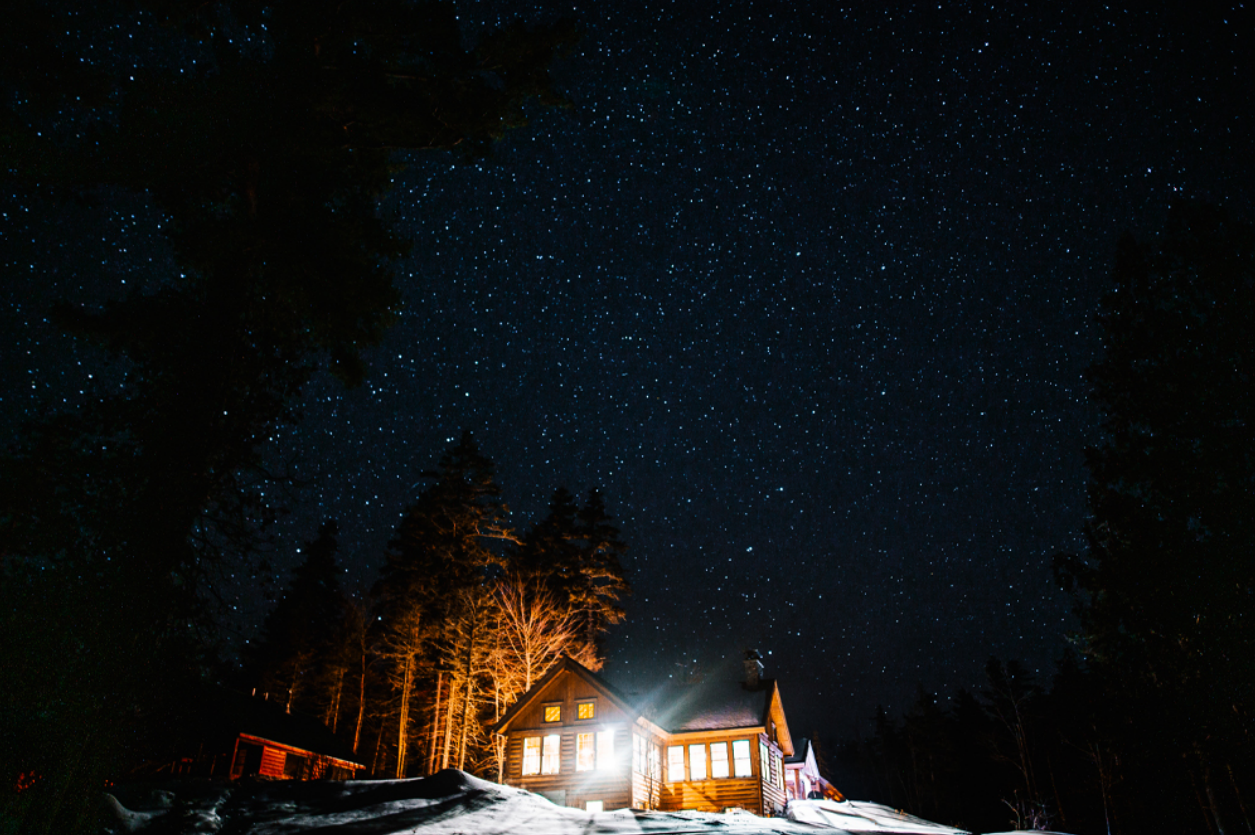
Gorman Chairback Lodge in the AMC Maine Woods International Dark Sky Park. Buildings in Dark Sky Places adhere to a set lighting plan. Photo by Cait Bourgault.
What can you do in your community?
If you’re interested in taking your community’s action to the next level, you might want to consider an International Dark Sky Places certification. DarkSky is the recognized authority on light pollution and the leading organization combating light pollution worldwide. Their purpose is to protect the night from light pollution.
DarkSky’s conservation program recognizes and promotes excellent stewardship of the night sky. The program offers five certification categories you may consider; sanctuaries, parks, reserves, urban places, and communities. Each category has its own set of guidelines based on land management, size, and sky quality. Interested in applying? Learn more about the different designation types here.
As of January 2023, there were over 201 certified dark sky places in the world. Check out DarkSky’s interactive map to see where they are located.
Becoming a dark sky place requires a rigorous application process where applicants must demonstrate partner support, implement light pollution mitigation projects, and meet specific category requirements. You don’t have to think big to start – almost all dark sky conservation work starts with a committed group of individuals passionate about the dark sky!
“By arranging for good outdoor lighting policies, rehabilitating poor-quality outdoor lighting installations, and reaching out to educate neighbors and visitors on the importance of dark skies, International Dark Sky Places (IDSP) set a positive example for their communities and countries.” – DarkSky.
You can expect the entire application process to take about 1-3 years.
To become an International Dark Sky Place, there are several steps:
l Evaluate the darkness of the location.The first step is to evaluate the darkness of the location where you want to establish a Dark Sky Place. To do this, you can use tools like a sky quality meter or the DarkSky Meter app. These tools measure the level of light pollution in the area. You will need readings from multiple locations, during the new moon and when skies are clear is best. If your location is at or below the set level of light pollution, move on to the next step. If not, you can still work at the household and community level to reduce light pollution.
l Meet with DarkSky and share your interest. DarkSky’s formal support and close relationship will help you meet the application requirements. DarkSky will be with you the entire way from determining eligibility to application to successfully managing your certification. Typically, only applications that are complete and likely to be successful will be reviewed by DarkSky’s Committee for approval.
l Develop a lighting plan.Once you have evaluated the darkness of the location, you need to develop a lighting plan that outlines the steps you will take to preserve the dark sky. This plan should address issues such as reducing light pollution, minimizing glare, and using efficient lighting fixtures.
l Work with the community. To become an International Dark Sky Place, you will need to work with your local community to gain support and participation in partnered projects. This can involve hosting public events, educating the community about the importance of preserving the dark sky, and working with local businesses and government agencies or your organizations leadership to implement the lighting plan.
l Apply for the designation.Once you have completed the above steps, you can apply for Dark Sky Place designation from DarkSky. The process involves submitting a comprehensive application that includes information about the location, lighting plan, community involvement, and other relevant factors.
l Maintain the designation. After receiving the designation, you will need to maintain your Dark Sky Place status by continuing to implement the lighting plan, monitoring light pollution levels, and engaging with the community to promote awareness and participation.
Becoming a International Dark Sky Place is a significant achievement that requires a commitment to preserving the natural environment and reducing light pollution. It can help to promote eco-tourism and raise awareness about the importance of protecting the night sky.
Source:
https://www.outdoors.org/resources/amc-outdoors/conservation-and-climate/what-is-a-dark-sky/


Statement: all contents and remarks made by K&F CONCEPT 's intranet friends only represent themselves and do not reflect any K&F CONCEPT 's opinions and views.
-
 Canon R7 Markll to Feature 40MP Stacked SensorThursday 18 December 2025
 -
 The Ultimate Guide: How To Get Started with AstrophotographyThursday 18 December 2025
 -
 Ricoh Announces GR IV HDFWednesday 17 December 2025
 -
 Canon is considering outsourcing the production of low-end camerasMonday 15 December 2025
 -
 DJI Pocket 4 Test Photos LeakedThursday 11 December 2025



 Your account requires approval before you can login.